


Grevillea rosmarinifolia Nana
Plants travel upright in enclosed trucks - not general couriers.Learn more
Or plant one of these instead
These are available today and do the same job in the garden.
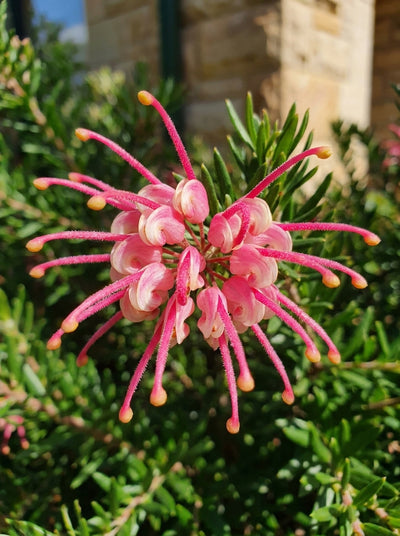 Grevillea rosmarinifolia 'Rosy's Baby'Evergreen · 0.5-1.5m · <1m wide · moderate growingIn stock from $22.49
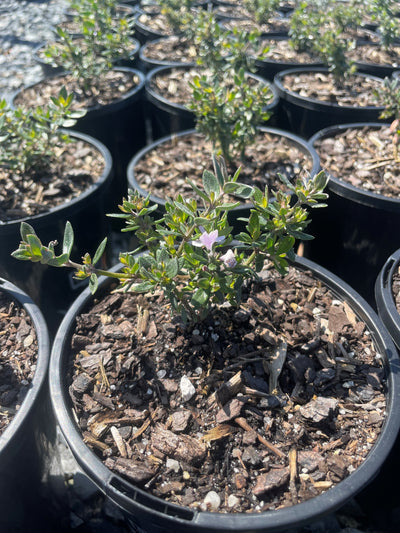 Westringia hybrid 'Ozbreed Aussie Box'Evergreen · <0.5m · <1m wide · moderate growingIn stock from $14.49
 Euphorbia Martinii 'Baby Charm'Evergreen · <0.5m · <1m wide · fast growingIn stock from $14.49
Finish the job
Dwarf Rosemary Grevillea
Botanical Name: Grevillea rosmarinifolia Nana
Family: Proteaceae
Origin: South-eastern Australia (NSW, ACT, VIC); dwarf selection
Plant Type: Evergreen compact shrub
Overview
The dwarf form of the beloved rosemary grevillea, this compact cultivar delivers the same prolific display of red and cream spider flowers as the species but in a tidy, low-growing package ideal for smaller spaces. Its fine, needle-like rosemary-like foliage provides attractive year-round texture, and the plant flowers through most of the year with a peak in winter and spring. Extremely hardy and adaptable, it's one of the most reliable small native shrubs for SA gardens.
Key Features
- Mature Size: 0.5–0.8 m H x 0.8–1.2 m W
- Growth Rate: Moderate; 15–25 cm per year; compact, spreading and densely twiggy with a neat mounding habit
- Foliage: Narrow, needle-like, dark-green leaves (resembling rosemary); prickly tips; fine texture year-round
- Flowers: Red and cream spider-type flowers; prolific display with peak winter–spring and repeat flushes; non-fragrant
- Seasonal Interest: Near year-round flowering; fine-textured foliage provides consistent structure
- Wildlife Value: Excellent honeyeater and bird attractant; dense foliage provides nesting shelter for small birds
- Tolerance: Drought-tolerant once established; frost hardy (to −5°C); heat-tolerant; wind-tolerant; suitable for second-line coastal; clay-tolerant if free-draining
- Planting Density: Low border/hedge: 60–80 cm apart; mass planting: 60 cm centres; rockery: 80 cm–1 m apart
- Pet Friendly: May cause contact dermatitis in sensitive pets; mild tummy upset if ingested in large quantities — discourage chewing
Where It Works Best
- Sunlight: Full sun to part shade; best performance in full sun
- Soil: Well-drained loam, sandy loam or clay loam; avoid phosphorus-rich fertilisers and waterlogging
- Water Needs: Establishment: 2 deep soaks/week for 8–12 weeks. Established: deep soak every 2–3 weeks in summer; rarely in winter unless prolonged dry.
- Maintenance: Light prune after main flowering flush to encourage density; avoid cutting into bare old wood; mulch in spring; use low-phosphorus native fertiliser only
- Lifespan: 15–25 years in appropriate conditions
- Climate Zones: Suited to all SA temperate zones; excellent in Adelaide metro, Hills, coastal second-line and inland/Riverland areas
- Soil pH: Slightly acidic to neutral (pH 5.5–7.0); tolerates slight alkalinity
Landscape & Design Ideas
- Low native borders and edging for garden beds and pathways
- Mass planting for dense, bird-friendly groundcover in open areas
- Rockeries and dry garden plantings with other compact natives
- Companion planting with Westringia, Lomandra and other low-maintenance natives
Why You Will Love It
All the colour and bird activity of the full-size rosemary grevillea in a tidy, low-growing package — this tough little native is near indestructible, endlessly flowering and a constant magnet for honeyeaters.