


Grevillea rosmarinifolia
Plants travel upright in enclosed trucks - not general couriers.Learn more
Or plant one of these instead
These are available today and do the same job in the garden.
Finish the job
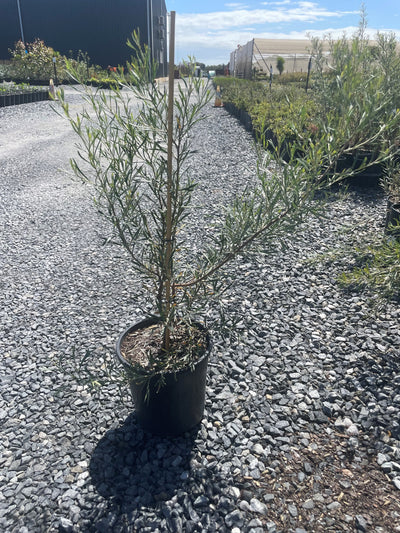
Rosemary Grevillea
Botanical Name: Grevillea rosmarinifolia
Family: Proteaceae
Origin: South-eastern Australia (NSW, ACT, VIC)
Plant Type: Evergreen medium shrub
Overview
Grevillea rosmarinifolia is one of Australia's most beloved native shrubs, producing masses of red and cream spider flowers over an extended season against fine, rosemary-like foliage. Extremely hardy and adaptable, it thrives in SA's full range of conditions from coastal gardens to the Adelaide Hills, providing reliable winter-to-spring colour, year-round structure and outstanding bird-attracting value. The full-size species is larger and more vigorous than the Nana form, making it ideal for screens, windbreaks and mixed native borders.
Key Features
- Mature Size: 1.5–2.5 m H x 1.5–2.5 m W
- Growth Rate: Moderate to fast; 25–45 cm per year; dense, bushy and spreading with a naturally rounded informal habit
- Foliage: Narrow, needle-like, dark-green leaves resembling rosemary; prickly tips; fine, dense texture year-round
- Flowers: Red and cream spider-type flowers; prolific display winter–spring with lighter repeat flushes; non-fragrant
- Seasonal Interest: Near year-round flowering; peak winter–spring; dense foliage provides year-round structure and screening
- Wildlife Value: Outstanding honeyeater and bird attractant; dense foliage provides year-round nesting and shelter for small birds
- Tolerance: Drought-tolerant once established; frost hardy (to −5°C); heat-tolerant; wind-tolerant; coastal-tolerant (second-line); clay-tolerant if free-draining
- Planting Density: Screen/informal hedge: 1–1.5 m apart; mixed border: 1.2–1.5 m apart; specimen: 2–2.5 m clearance
- Pet Friendly: May cause contact dermatitis in sensitive pets; mild tummy upset if ingested in large quantities — discourage chewing
Where It Works Best
- Sunlight: Full sun to part shade; flowers best in full sun
- Soil: Well-drained loam, sandy loam or clay loam; avoid phosphorus-rich fertilisers and waterlogging; tolerates slightly alkaline soils
- Water Needs: Establishment: 2 deep soaks/week for 8–12 weeks. Established: deep soak every 2–3 weeks in summer; rarely in winter unless prolonged dry.
- Maintenance: Light prune after main flowering flush to encourage density and manage size; avoid cutting into old bare wood; mulch in spring; use low-phosphorus native fertiliser only
- Lifespan: 15–25 years
- Climate Zones: Suited to all SA temperate zones; outstanding performer across Adelaide metro, Hills, inland and second-line coastal areas
- Soil pH: Slightly acidic to neutral (pH 5.5–7.0); tolerates slight alkalinity
Landscape & Design Ideas
- Informal boundary screening and windbreaks
- Mixed native borders with kangaroo paw, westringia and lomandra
- Bird and wildlife habitat gardens as a key structural shrub
- Low-water gardens requiring year-round structure and seasonal colour
Why You Will Love It
Tough, reliable and alive with birds through winter when most plants are quiet — the rosemary grevillea is an SA garden classic that delivers near year-round colour, dense structure and constant wildlife activity with minimal attention.